
First Time Building Demolition Checklist
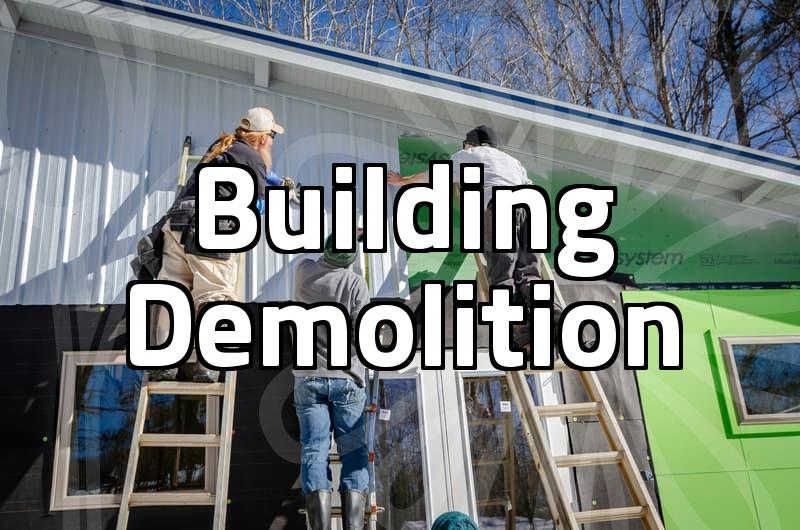
If you're facing the situation where you need to tear down a building, the first thing that usually comes to mind is, "Where do I even start?" Whether you're clearing out a commercial space or demolishing an old structure to build something new, you probably don't know what to check first.
In this post, I've laid out a step-by-step guide on what self-employed individuals and property owners need to prepare and inspect before starting a demolition. We'll cover everything from permit requirements to how to choose a contractor and even how to handle neighborhood issues during the process.
What Building Documents You Need to Check Before Demolition
Before you decide on the scope of demolition, you absolutely must check the building register and title documents. These records detail the building's number of floors, size, and structure, which determines the necessary demolition methods and procedures.
- Building Register: This shows the number of floors, structure, and intended use. If it doesn't match the actual building, it's best to correct it beforehand.
- Land Title Documents: Use these to confirm which plot of land the building sits on and to check the boundaries against adjacent properties.
- Neighboring Building Information: If your building shares a wall with a neighbor, you need to consider the risks of vibration and cracking during demolition.
Demolition Permits vs. Notifications: When Do You Need Each?
In principle, tearing down a building requires a permit, though some smaller projects might only need a notification. Because of this, before you start looking up how to file a demolition notification, you first need to figure out if your specific building requires one.
Whether you need a permit or a notification depends on the building's height, size, and purpose. The most accurate way to find out is to contact the architectural department at your local district office or city hall. Missing a required filing can lead to work stoppages or fines, so make sure you check this before setting any demolition dates.
Commercial Property Demolition vs. Apartment Floor Removal: What's the Difference?
When you're talking about tearing down a commercial building, you're usually taking down the whole structure. Apartment floor removal, on the other hand, is more like stripping out the interior finishes. Since the goals are different, your preparation needs to be too.
For apartment floor removal, managing noise and weight is key, so you'll need agreement from the downstairs neighbors and the building management, plus you'll have to coordinate work hours. With commercial demolition, you need to nail down the closing date, the scope of restoration for the tenant, and exactly where the debris will go before you start.
| Category | Typical Work Involved | What to Finalize Upfront |
|---|---|---|
| Commercial Demolition | Tearing down the entire building or internal structures | Business closing date, scope of restoration, debris removal plan |
| Apartment Floor Removal | Removing finishes and the floor surface | Work schedule, downstairs neighbor approval, dust and noise control |
How to Choose the Right Building Demolition Company
When hiring a demolition crew, don't just look at the price first. You need to make sure their plan for the scope of work and their safety protocols are crystal clear. If the estimate doesn't detail exactly what they're tearing down and what they're handling, you're setting yourself up for surprise extra charges later.
- Check if the company visits the site to personally assess the structure and the surrounding area.
- Verify that their quote includes the method and route for disposing of all the debris.
- Ask specifically about their plans for dust and noise mitigation, like using screens or water spraying.
- See if they can clearly explain their safety procedures for handling potential on-site accidents.
Tips for Minimizing Neighbor Complaints During Demolition
At a demolition site, dust, noise, and flying debris are what usually cause the most friction with neighbors. If you get complaints, your work could grind to a halt, so it’s smart to have a plan in place before you even break ground.
Make sure to include basic measures like installing dust barriers, spraying water, and limiting work hours in your initial quote. Also, letting adjacent property owners know your project timeline and giving them your contact information can prevent unnecessary conflicts.
Frequently Asked Questions About Demolition
How do I report a building demolition?
First, check if your project requires a permit or notification. The most accurate way to proceed is to contact the building department at your local county or city hall and ask what paperwork you need. The exact process and required documents can change depending on the location and the size of the building.
What are the different ways to demolish a building?
Depending on the size of the structure and the surrounding conditions, methods range from using excavators to bring it down, dismantling it floor by floor, or just removing the interior structure. It's best to decide on the approach with your contractor based on how close you are to neighboring buildings and the potential for vibration impact.
What agreements do I need to make with tenants before demolition?
To prevent disputes, make sure you document everything in writing, including the demolition date, when their business will end, the scope of restoration, and how the security deposit will be settled. Don't forget to review the restoration clauses in your lease agreements.
When it comes to building demolition, the more systematically you prepare—from checking documents to selecting a contractor and planning for neighborhood complaints—the more time and money you'll save. Your very first step should be getting a copy of the building register (architectural record) to check the current state of the building and see if you need to file any reports. After that, get site visit quotes from two or three different demolition companies.