
Hiring a Demolition Company: DIY vs. Pro
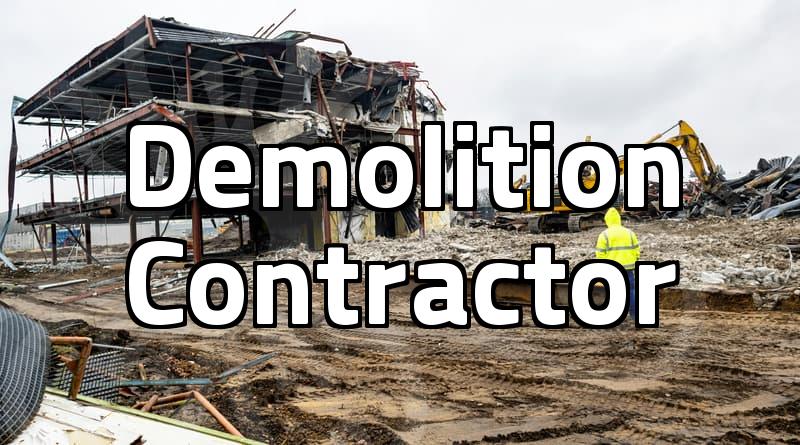
If you're looking for a building demolition company because you're moving, closing down, or planning a remodel, you might feel overwhelmed trying to figure out what to ask for in a quote or exactly how much needs to be torn down. If the scope of work isn't clear, it's tough to compare quotes from different companies fairly.
First, check the site conditions and contract terms, and then separate what you need to handle yourself from what requires professional help. Agreeing on the final condition after demolition can help prevent extra work or missed waste removal.
Demolition isn't just about clearing out the interior. You need to check things like any equipment that must remain, common areas, and parts of the structure that could be affected.
Define the Scope Before Hiring a Demolition Company
Walk through the space needing demolition and write down exactly what you plan to remove and what you want to keep. By breaking down items like ceilings, walls, floors, built-in furniture, and utilities into categories, you can explain your needs to the contractor consistently. Photos and quick notes are also super helpful for speeding up the site inspection.
If the space is a rental, you absolutely must check your lease and the landlord's requirements first. The scope of demolition changes depending on whether the restoration standard is "as it was when you moved in" or if specific finishes need to be put back. Also, coordinate with the property management about using common hallways or elevators, and what times work for the crew.
- Differentiate between fixtures to be demolished and fixtures to be preserved.
- Check the route for waste removal and whether large vehicles can access the site.
- Assess if utilities like electricity or water need to be shut off or protected.
- Decide what condition the floors or walls should be in when you hand the space back after demolition.
What to Compare When Getting Quotes for Office Restoration
Some office jobs are simple—you just need to remove partitions and flooring. But others might require dealing with ceiling fixtures or organizing wiring. When you call an office restoration company, make sure to check item by item: what equipment will be left behind, how they'll haul away the debris, if they'll protect common areas, and what the final cleanup entails.
Your quote needs to clearly separate the scope of work from what’s excluded. For example, if the quote is vague about how they'll handle waste removal, protect the elevator, or what the process is for extra demolition, you could end up with unexpected costs on-site. When comparing estimates, don't just look at the total price; first, check if the exact same tasks are included in every quote.
Tips for Apartment Floor Removal: Noise and Disposal Rules Matter
The way you remove flooring in an apartment changes depending on the type of flooring and how deep you need to dig. Decide whether you are just pulling up the carpet or hardwood, or if you need to strip down to the subfloor and adhesive layer. Once you know that, check what condition the floor needs to be in for the next trade to start. Be careful not to dig too deep, as that might require extra patching or finishing later.
In multi-unit buildings, things like work hours, noise notifications, elevator protection, and where the debris goes can really affect the schedule. Check with the property management office to see if you need to file any reports or get prior approval. Also, plan your work so you don't bother the neighbors downstairs or in adjacent units. If you're tearing down a commercial space, and you share walkways with other businesses, it’s smart to set the debris removal times and protection zones ahead of time.
Finalizing the Contract and Work Order After Site Inspection
Once you have a clear idea of the demolition scope, ask a building demolition company to come out and inspect the site. Things like ceiling height, material types, available storage space, and vehicle access conditions are hard to judge from photos alone, but they heavily influence the final quote and work plan. If you suspect there are structural elements involved or hazardous materials, don't start tearing things down on your own; you need to ask about the proper inspection procedures first.
Before signing anything, make sure you have these points documented in writing:
- The exact scope of demolition and what needs to be preserved.
- Whether the quote includes sorting, hauling, and disposing of the debris.
- The work schedule and the standard for site cleanup.
- How extra work will be discussed and how the cost will be calculated.
- Safety measures during the work and the extent of protection within the building.
As for what you can handle yourself, focus on pre-construction prep like sorting furniture and marking items you want to save. For things like electrical work or dismantling fixed structures, treat it as specialized work, keeping safety and potential damage in mind.
Frequently Asked Questions
Where can I check for demolition grants for academies?
Whether you qualify and what the requirements are can change depending on your location, the type of business, and when you apply. Check the official guidance from your local government or small business support agencies to see who is eligible, the application deadlines, and what costs are covered. It’s safest to ask about eligibility and what documentation you'll need before you start any demolition work.
What factors affect the cost of tearing down an academy?
It's not just the square footage; things like the partitions, the materials for the floors and ceilings, whether you're removing utilities, the volume of debris and how it needs to be hauled away, and the working hours and protection requirements all play a role. When getting quotes, make sure you communicate the same standard regarding what needs to stay versus what needs to be disposed of.
What should I look at first when comparing quotes?
Don't just focus on the price—first compare the scope of work and what's excluded from the quote. Even if the area is the same, one quote might include floor removal and debris hauling, while another might leave those things out. Once you have a site visit, put all the conditions in writing so you can compare them clearly.
Start by taking photos of the space and making a list of what you plan to tear down and what you plan to keep. Using that material when you request a site inspection will help you define the necessary scope of work much more accurately.